
 phuongle19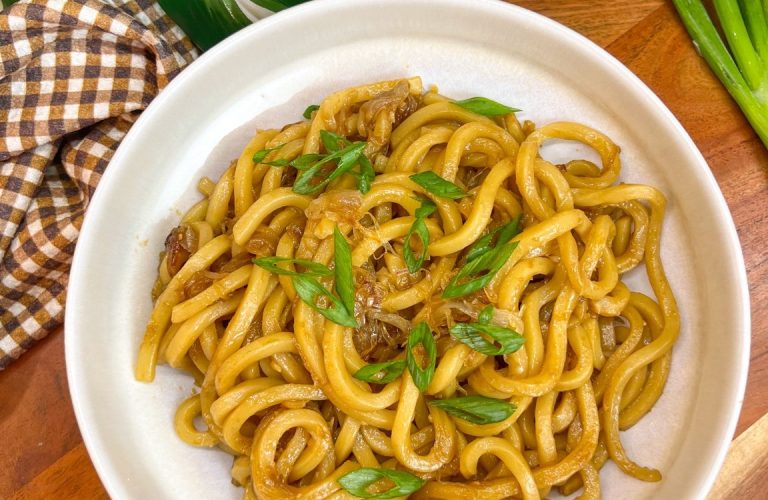
This won’t be a five-minute recipe because it takes me five minutes just to peel the shallots 😂 But it’s worth it. Even my son, who doesn’t like onions, loved these noodles.
The shallots take a little time, but once they’re soft and golden, the rest comes together quickly. Toss them with udon, garlic, butter, and the sauce, and dinner is ready.
I didn’t add honey or sugar. The shallots and oyster sauce already give it some sweetness.
What you’ll need
Shallots: Thinly slice 200–250 g of peeled shallots. That’s about 4–5 large shallots or 5–6 medium shallots if you don’t have a scale. Shallot sizes vary, so these counts are approximate. Try to keep the slices fairly even so the thin edges don’t burn while the thick pieces are still pale.
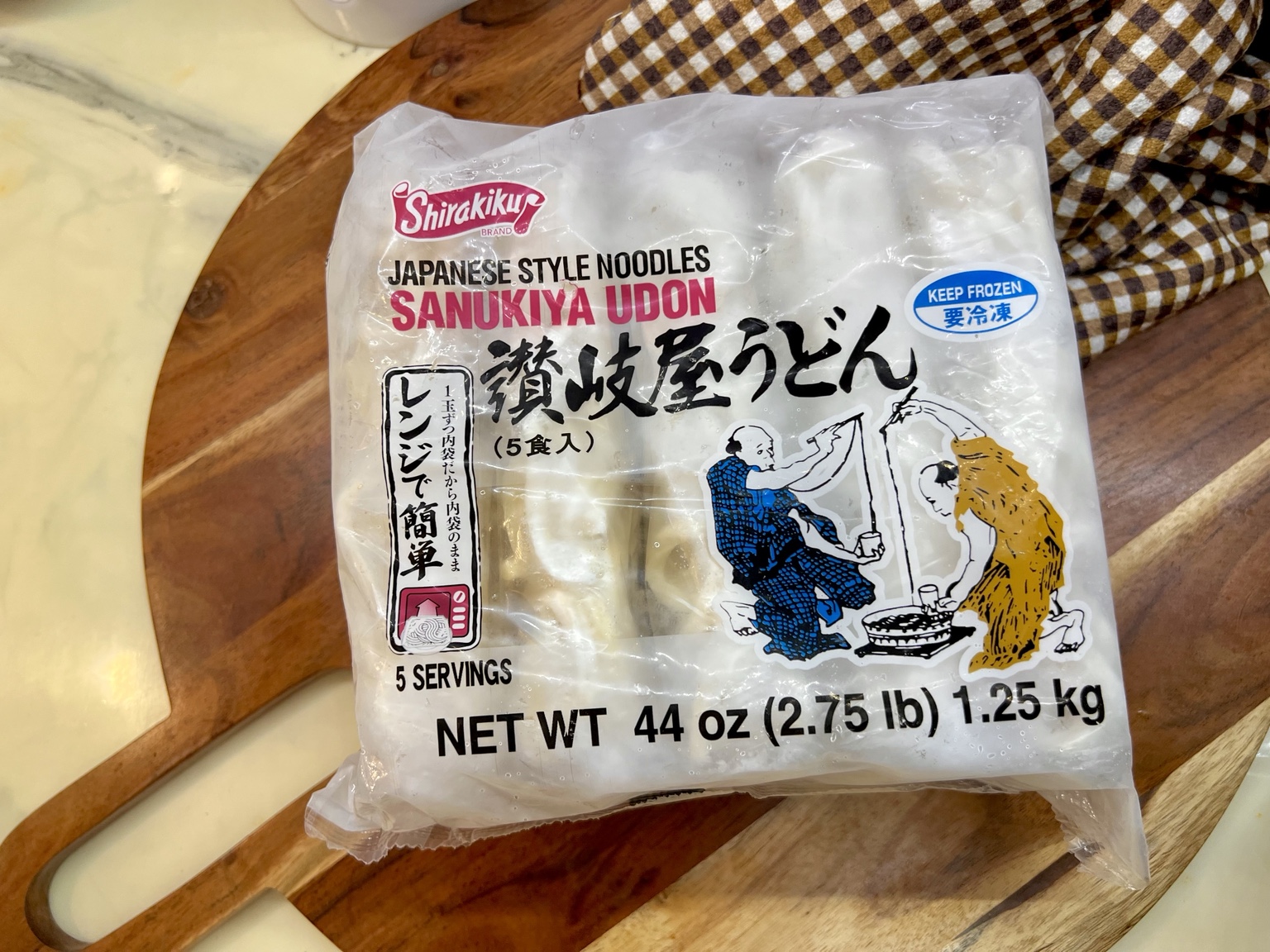
Frozen udon: Use two individual portions, not two entire multipacks. I used Shirakiku Sanukiya Udon. This bag contains five portions totaling 1.25 kg, so two portions are 500 g. Other brands may have smaller portions; about 400–500 g works for this recipe. Prepare them according to the package directions and drain before tossing.
Butter and neutral oil: A little of each goes into the pan with the shallots. The remaining butter goes in at the end for a glossy finish.
Garlic: Add it after the shallots are caramelized so it doesn’t burn during their longer cooking time.
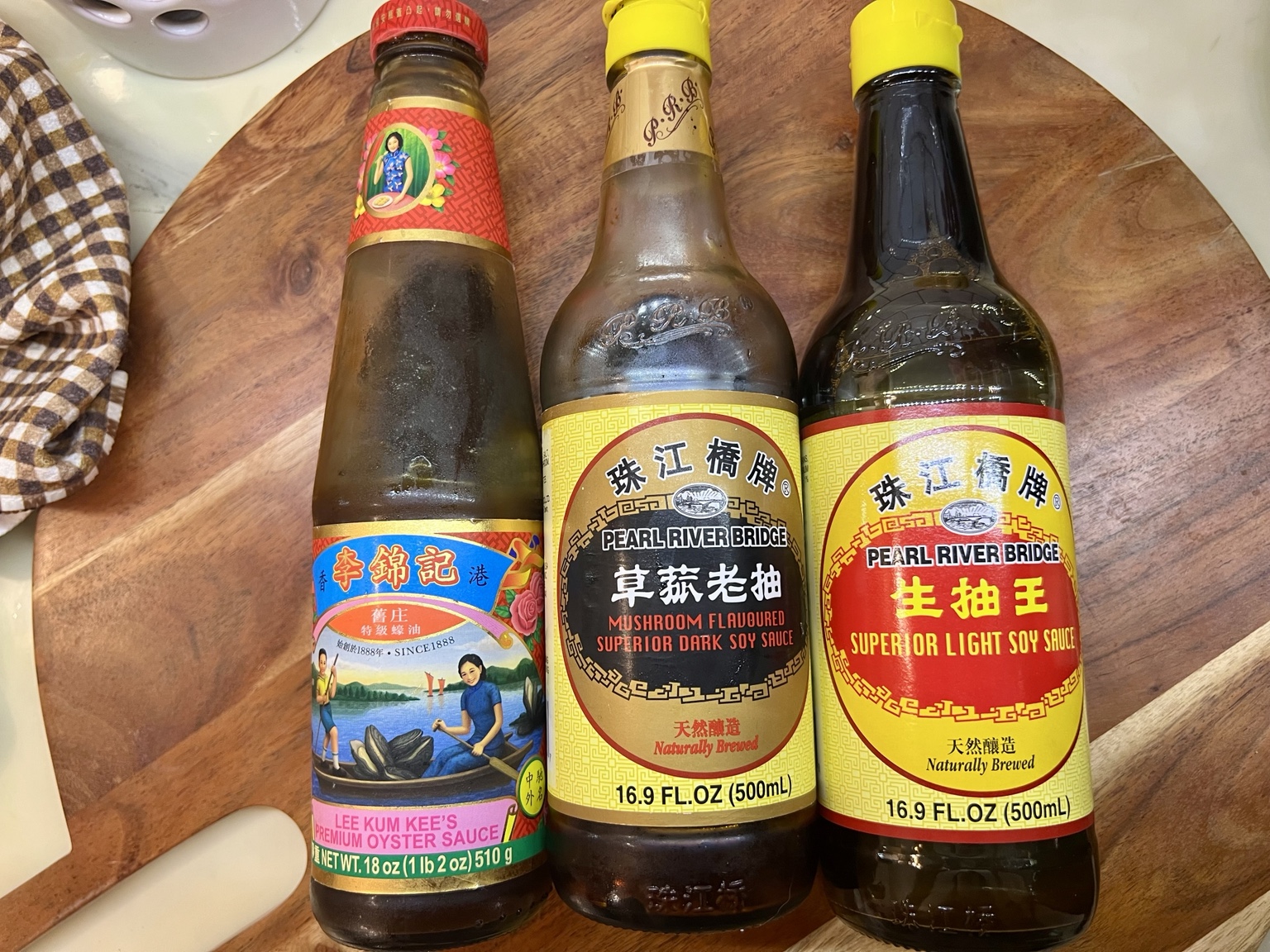
Light soy sauce, dark soy sauce, and oyster sauce: Light soy seasons the noodles, dark soy deepens the color, and oyster sauce adds savory flavor and a little sweetness. “Light” soy here means the regular Chinese style, not necessarily reduced sodium. I used Pearl River Bridge Superior Light Soy Sauce, Pearl River Bridge Mushroom Flavoured Superior Dark Soy Sauce, and Lee Kum Kee Premium Oyster Sauce.
Rice vinegar: The vinegar balances the richness. Use unseasoned rice vinegar.
Watch how I make it
How to make caramelized shallot udon
1. Give the shallots time
Heat the oil and half the butter in a large skillet over medium-low heat. Add the sliced shallots and cook, stirring occasionally, until soft and golden-brown, about 25–35 minutes. Your pan, heat, and slice thickness can change the timing, so use their color and texture as your guide.
Spread them across the pan and stir more often as they darken. A few lighter pieces are fine. You’re looking for mostly golden, softened shallots, not crispy fried shallots. If the edges brown too quickly or start sticking, lower the heat and add a small splash of water.
2. Get the noodles and sauce ready
While the shallots cook, mix the soy sauces, oyster sauce, rice vinegar, and 2 tablespoons water, if needed. Prepare the udon according to the package directions, timing it close to when the shallots are ready. Drain well.
3. Toss everything together
Add the garlic to the shallots and cook for 30 seconds. Add the udon, then pour in the mixed sauce. Toss over medium heat for 1–2 minutes until the noodles are evenly coated.
The shallots will hold some sauce, but tossing distributes it through the noodles. Add water a tablespoon at a time if the sauce is too thick or the noodles are hard to toss.
4. Finish with butter
Lower the heat and toss in the remaining butter. Finish with sliced green onions and, if you like some heat, a drizzle of chili oil. Serve right away while the noodles are glossy.
Make it a meal
Add a fried egg or a soft-boiled egg on top to make it more of a meal. And if your husband asks where the meat is… you can add some steak too haha. Here are a few other things you can add:
- Steak: Add sliced, cooked steak on top.
- Chicken: Toss in cooked chicken, including leftover rotisserie chicken.
- Shrimp: Sauté separately and fold in at the end.
- Tofu: Add pan-fried tofu for another meat-free protein option. Use vegetarian mushroom stir-fry sauce in place of oyster sauce if you want the whole dish to be vegetarian.
- Vegetables: Serve with sautéed bok choy, broccoli, or a cucumber salad.
If adding a large amount of protein or vegetables directly to the noodles, taste again and adjust the sauce as needed.
Questions about caramelized shallot udon
Can I use fresh udon instead of frozen?
This recipe uses frozen udon. If you try fresh udon, aim for about 400–500 g and follow the package cooking directions. Drain well before tossing. Different noodles absorb sauce differently, so taste before adding more seasoning.
Can I substitute onions for shallots?
I haven’t tested this recipe with onions. Thinly sliced onions are a possible swap, but the flavor and cooking time will differ. For the version shown here, use shallots.
How do I keep the shallots from burning?
Keep the heat at medium-low and slice the shallots as evenly as you can. Stir more often as they turn golden. If the edges darken quickly or stick to the pan, lower the heat and add a small splash of water. Aim for soft, golden-brown shallots rather than crispy ones.
Why are my noodles dry or hard to toss?
Add water a tablespoon at a time to loosen the sauce. If the noodles already taste well seasoned, add water before more soy sauce. Toss in the remaining butter over low heat for the glossy finish.
Recipe Card
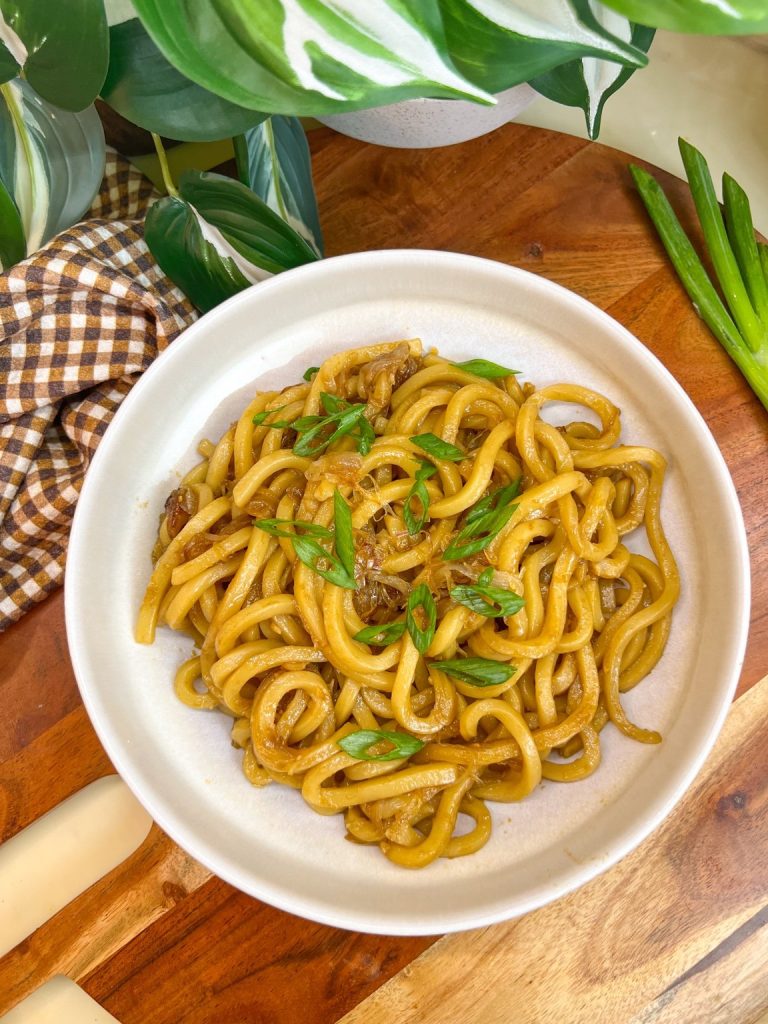

Caramelized Shallot Udon
Ingredients
Instructions
-
Heat the oil and 1 tablespoon butter in a large skillet over medium-low heat. Add the shallots and cook for 25–35 minutes, stirring occasionally, until soft and mostly golden-brown. Stir more frequently toward the end. Lower the heat or add a small splash of water if the edges begin to scorch.
-
Mix the soy sauces, oyster sauce, rice vinegar, and 2 tablespoons water, if needed, together. Prepare the udon according to the package directions and drain well.
-
Add the garlic to the shallots and cook for 30 seconds, stirring.
-
Add the udon and mixed sauce. Toss over medium heat for 1–2 minutes until evenly coated. Add more water, 1 tablespoon at a time, as needed to loosen the sauce.
-
Lower the heat. Toss in the remaining 1 tablespoon butter until glossy. Taste and adjust seasoning.
-
Serve immediately with optional green onions, chili oil, and an egg or your preferred cooked protein.
Note
No added sugar needed to start: taste the finished noodles and add ¼–½ teaspoon sugar only if you prefer them sweeter. Two portions of the pictured Shirakiku udon total 500 g. Add water before extra sauce if the noodles are dry but already well seasoned. Reheat leftovers gently with a splash of water.


[…] another noodle dinner, try my caramelized shallot udon with butter and soy sauce. You can also make my braised tofu or ground pork and tomato noodle […]